A Shift in How Families Think About Health
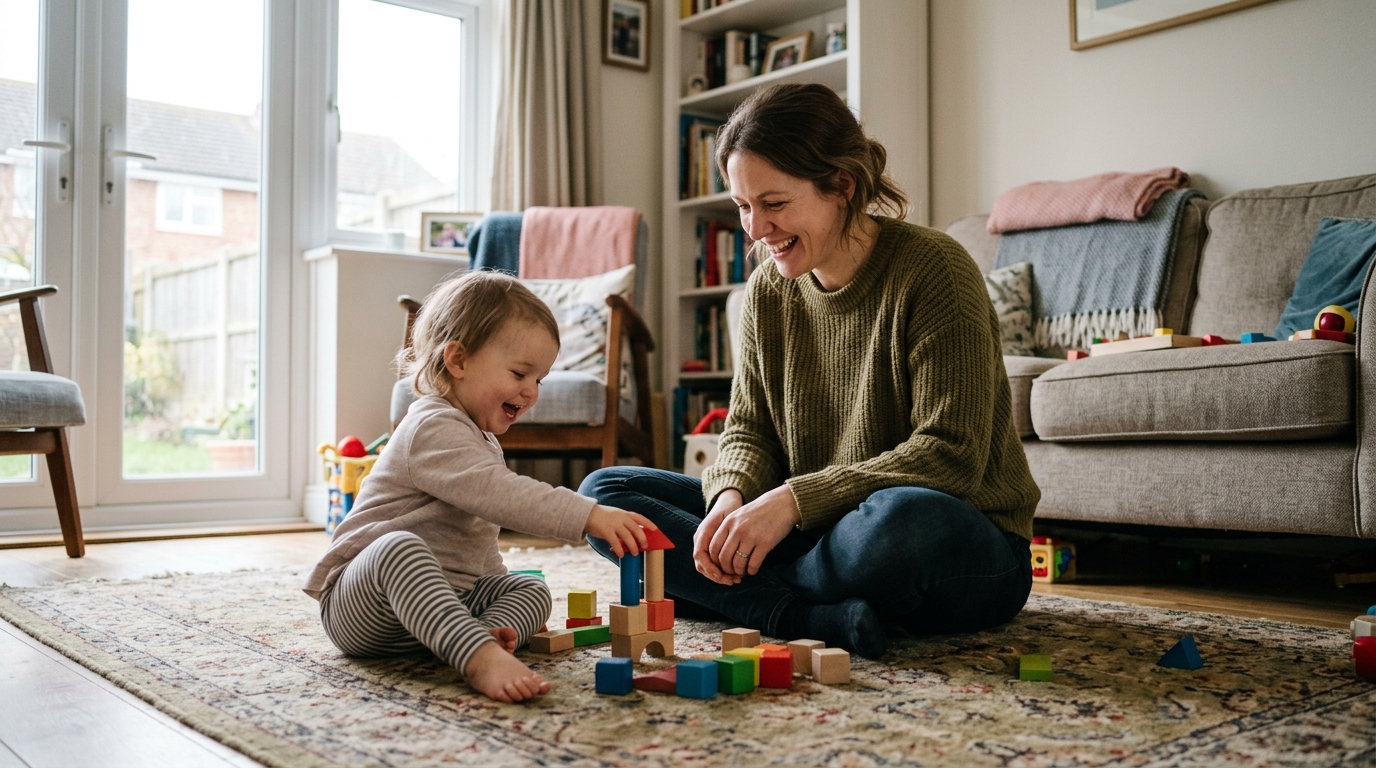
There has been a noticeable shift in recent years. More and more households are moving towards proactive family health, rather than waiting for something to go wrong before taking action.
It is not always a dramatic change either. It often starts quite simply. Choosing to walk more. Paying a bit more attention to posture. Booking a check-up before discomfort becomes a problem. Small decisions, really. But they add up.
In many ways, it feels like families are stepping back and thinking, hang on, maybe looking after our health should be something we do regularly, not just when something feels off.
And that change in thinking is quite powerful.
What Does Proactive Health Actually Mean?
Proactive health is about taking steps to support the body before issues develop. It is not about perfection or doing everything “right” all the time. It is more about awareness and consistency.
When we talk about the benefits of proactive healthcare for families, we are really talking about creating habits that support long-term wellbeing.
That might include:
- Regular movement and activity
- Paying attention to posture and daily habits
- Encouraging good sleep routines
- Seeking care when something feels slightly off, not only when it becomes uncomfortable
It is a bit like maintaining a home. You do not wait for a leak to flood the kitchen before fixing it. You keep an eye on things, address small issues early, and everything tends to run more smoothly.
Why Families Are Making the Change
There are a few reasons why proactive family health is becoming more common.
1. Greater Awareness of Lifestyle Impact
People are more aware than ever of how daily habits influence health. Long hours sitting, increased screen time, and busy schedules all play a role.
You might notice it after a long day working from home or helping children with homework at the kitchen table. Everyone ends up a bit hunched, a bit stiff, and slightly more tired than expected.
That awareness often leads to small changes. Standing up more. Moving more. Checking in with how the body feels.
2. A Desire for Long-Term Wellbeing
Families are thinking beyond the short term.
It is not just about feeling fine today. It is about staying well over time. Parents want to set an example, children pick up on habits, and gradually a household culture forms.
This is where how to support long-term family wellbeing becomes a practical question, not just a theoretical one.
And the answer is usually not complicated. It is consistency.
3. Preventing Rather Than Reacting
There is also a growing understanding that prevention is often easier than correction.
Addressing small issues early tends to require less effort than waiting until they become more significant. It is not always possible to prevent everything, of course. Life happens. But being proactive can reduce the likelihood of ongoing discomfort.
It is a bit like keeping the car serviced regularly rather than waiting for a warning light to appear on the dashboard.
How Daily Life Influences Family Health
Health is not built in isolated moments. It is shaped by daily routines.
Think about a typical day:
- Sitting at school or work
- Commuting or driving
- Time spent on screens
- Evening routines at home
None of these is inherently harmful. But repetition matters. Over time, these patterns influence posture, movement, and overall well-being.
This is why proactive family health often focuses on small, manageable changes rather than big overhauls.
Even something as simple as encouraging children to move between activities or taking a short walk after dinner can make a difference.
It sounds basic, and in a way it is. But basic things done consistently tend to work.
Children Learn by Watching
One interesting aspect of proactive family health is how behaviours are shared within a household.
Children are always observing. Not in an obvious way, but quietly taking things in.
If they see parents prioritising movement, taking breaks, or paying attention to how they sit and stand, those behaviours start to feel normal.
On the other hand, if the household routine involves long periods of sitting and little variation, that becomes the norm too.
It is not about being perfect. It is about setting a general tone.
The Role of Routine and Consistency
Routine often gets overlooked, but it plays a key role in the benefits of proactive healthcare for families.
Regular patterns create stability. They make healthy choices easier to maintain because they become part of everyday life.
For example:
- A regular bedtime routine
- Set times for meals
- Encouraging movement throughout the day
These are not complicated ideas. But they provide a framework that supports health without requiring constant effort.
It is a bit like brushing your teeth. You do not think about it every time. You just do it.
A Slight Digression About Busy Lives
It is worth acknowledging that modern life is busy. School runs, work commitments, weekend plans, everything seems to be scheduled.
So when people hear about being more proactive with health, it can feel like one more thing to add to the list.
But it does not have to be that way.
Often, it is about adjusting what is already happening rather than adding something new. Standing up more often. Moving a bit more during the day. Taking a moment to stretch.
Small shifts, not big ones.
Where Chiropractic Care Fits In
Chiropractic care can form part of a proactive family health approach by supporting how the body moves and functions.
Rather than only addressing discomfort, it can also be used to help maintain balance and support the body as it adapts to daily life.
This is particularly relevant when considering how to support long-term family wellbeing, as care can be tailored to different ages and stages.
For some families, it becomes part of a routine. Not something urgent, but something supportive.
Internal Links for Further Reading
To explore related topics:
- How daily habits shape the body
- Understanding movement and comfort
- The link between structure and function
External References
For broader health insights:
- National Health Service
https://www.nhs.uk/live-well/ - Public Health England
https://www.gov.uk/government/organisations/public-health-england
FAQ: Proactive Family Health
What is proactive family health?
It involves taking steps to support health before problems develop, focusing on habits, routine, and early intervention.
What are the benefits of proactive healthcare for families?
It can help maintain well-being, reduce the likelihood of ongoing discomfort, and support healthier habits across all age groups.
How can families support long-term well-being?
Through consistent routines, regular movement, good sleep habits, and awareness of posture and daily activities.
Is proactive health difficult to maintain?
Not necessarily. Small, consistent actions tend to be more effective than large, infrequent efforts.